One AI concept, explained for the decision
Short reference pieces. Each one explains a single Gen AI concept, shows how it works in one diagram, and ends with the questions to ask your team.
-
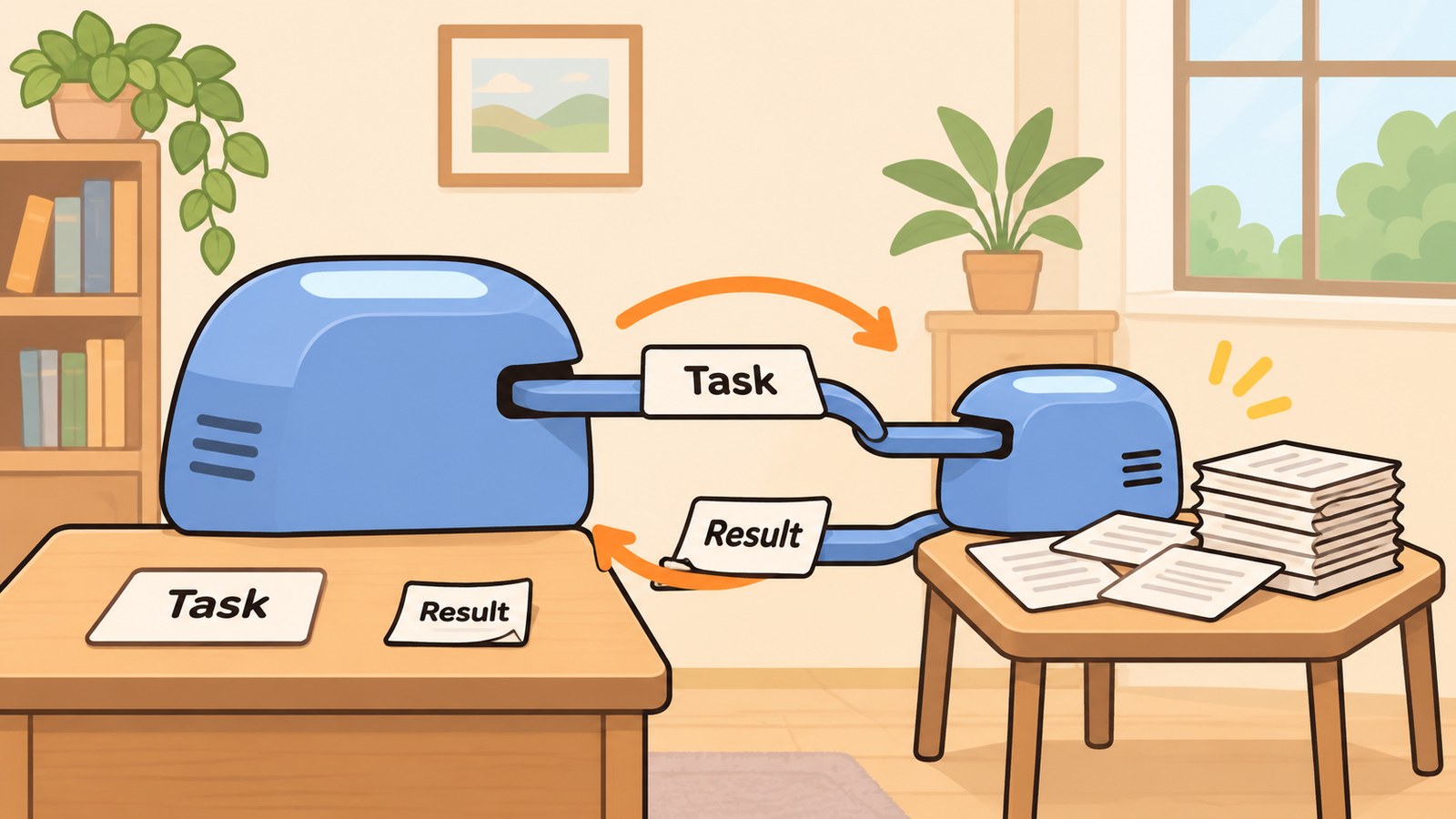
Subagent: One Agent Assigns the Task, Another Returns the Result
A subagent is an AI agent another agent delegates a specific task to. It does the task and returns a result to the main agent, which keeps coordinating.
Read the explainer → -
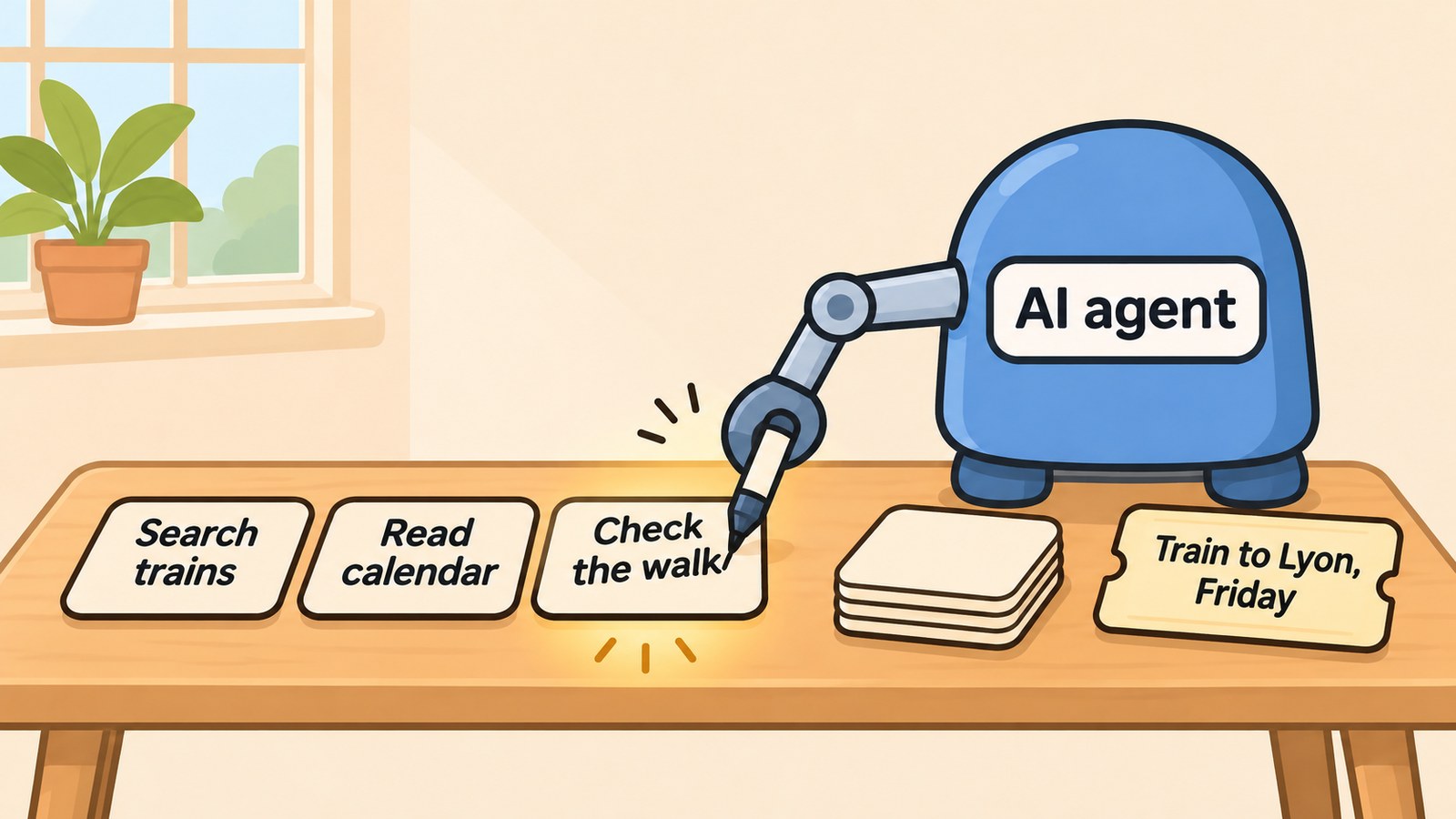
AI Agent: Software That Chooses How to Carry Out a Task
An AI agent is software that uses an AI model to work through a task for someone. The model chooses the steps, uses tools and adjusts to what it finds.
Read the explainer → -
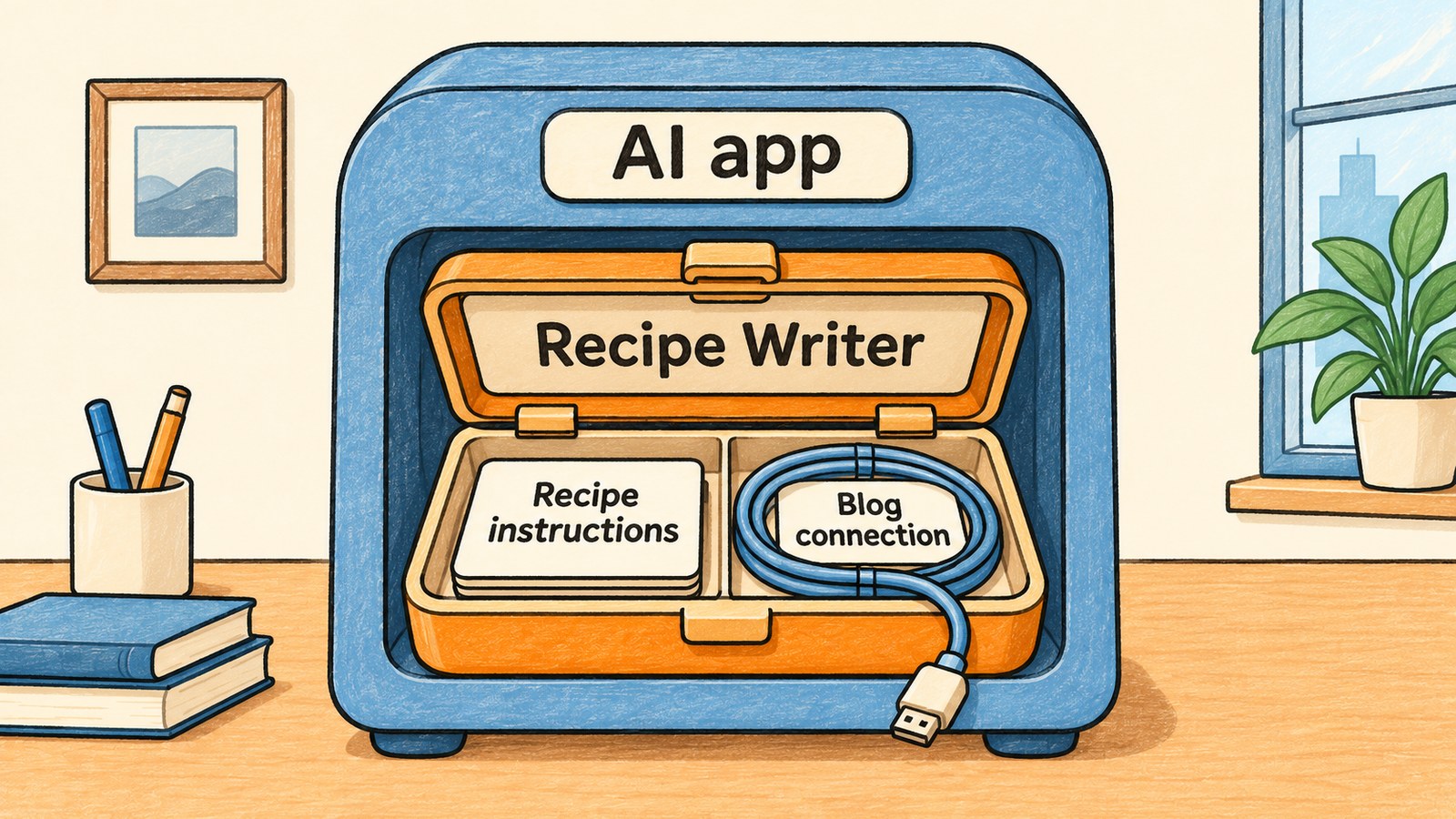
Plugin: A Package You Install to Extend an AI App
A plugin is a package you install in an AI app to extend what it can do. It can hold one or more parts, such as skills and connections to other systems.
Read the explainer → -
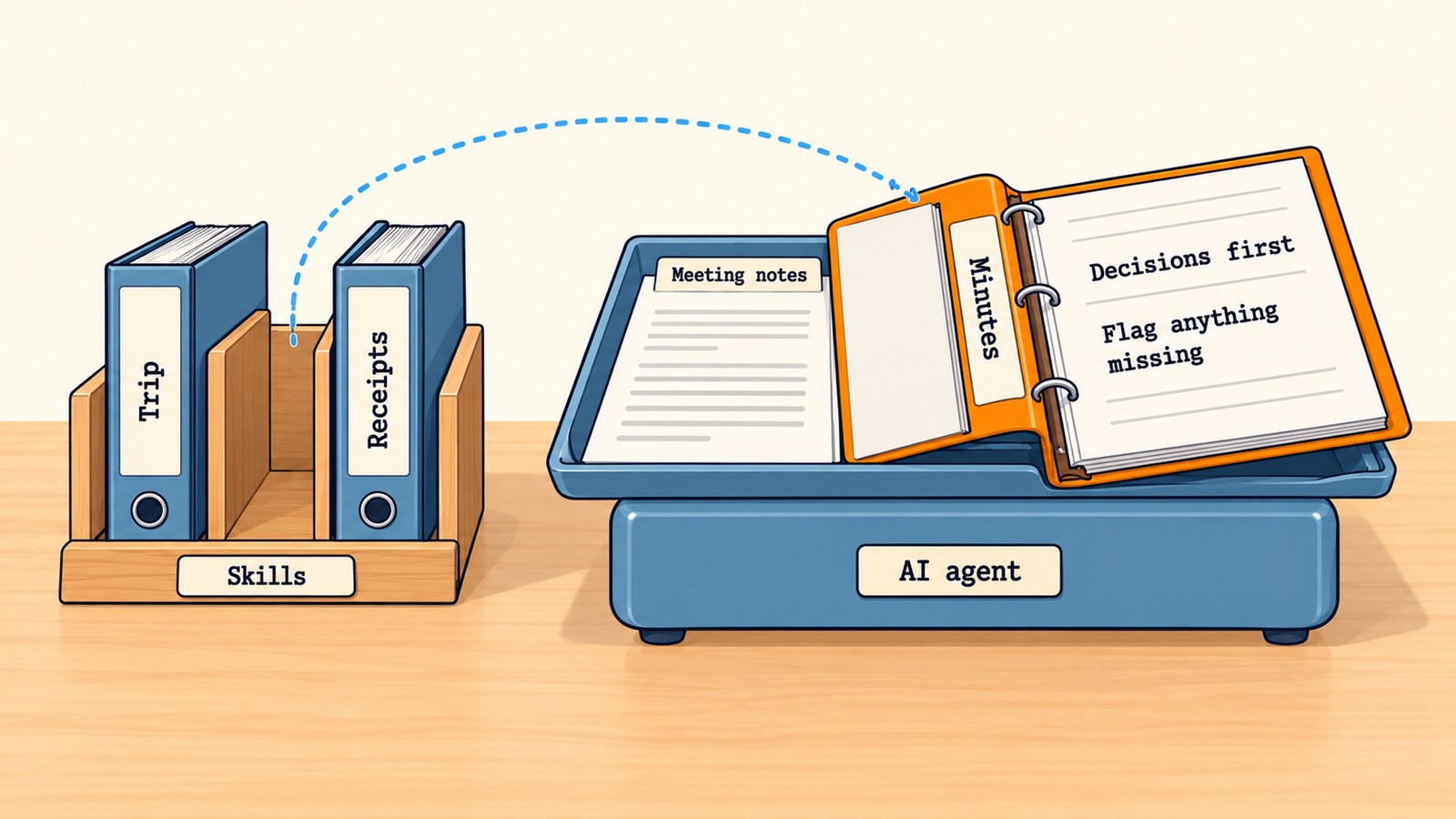
Skill: A Reusable Guide an AI Agent Loads as Needed
A skill is a reusable package of instructions that guides an AI agent in a particular kind of work, usually read when that work comes up.
Read the explainer → -
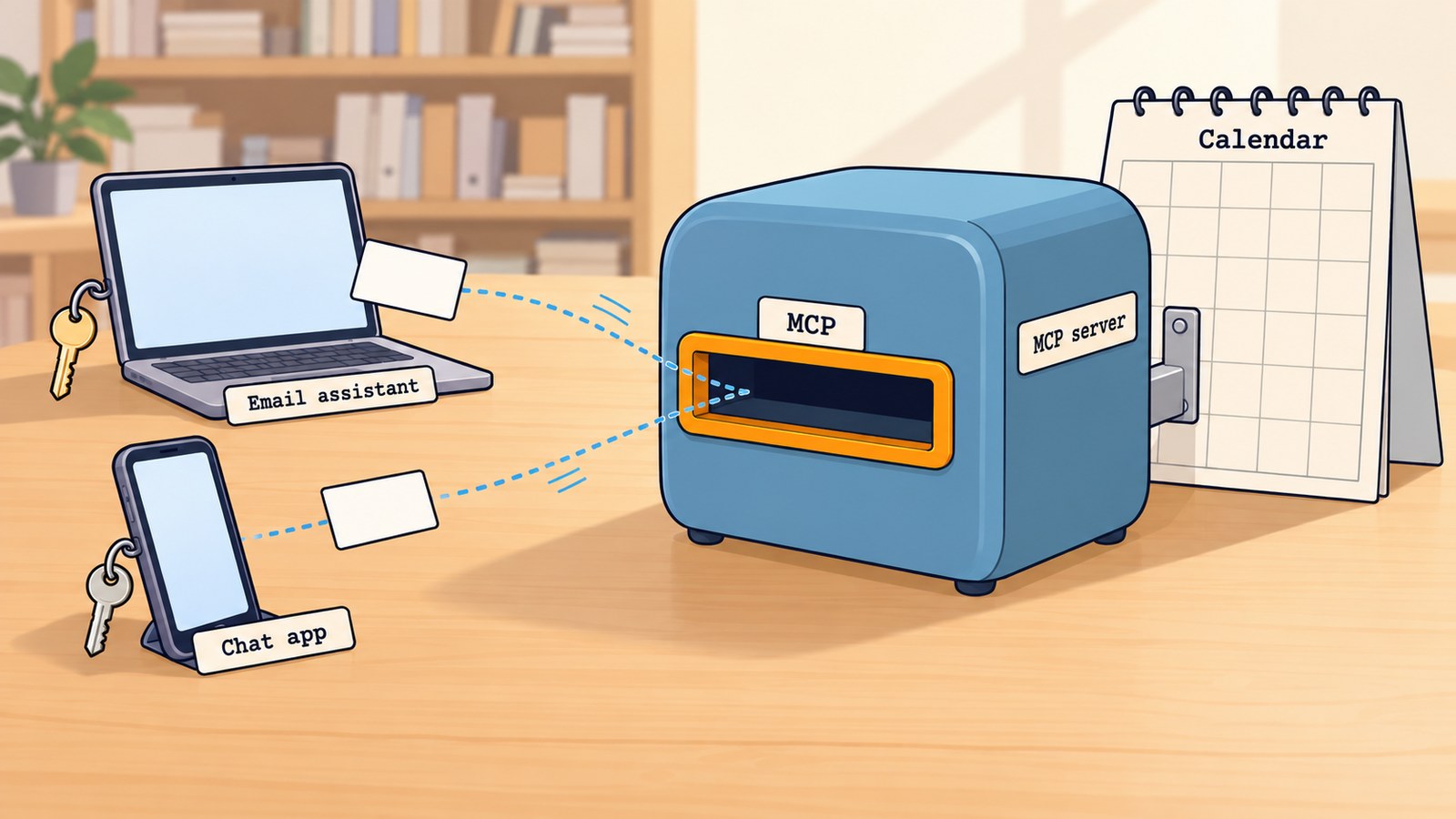
MCP: One Shared Way for AI Apps to Reach Other Systems
MCP is an open standard for connecting AI applications to other systems, so a server built once can be reused by other compatible apps.
Read the explainer → -
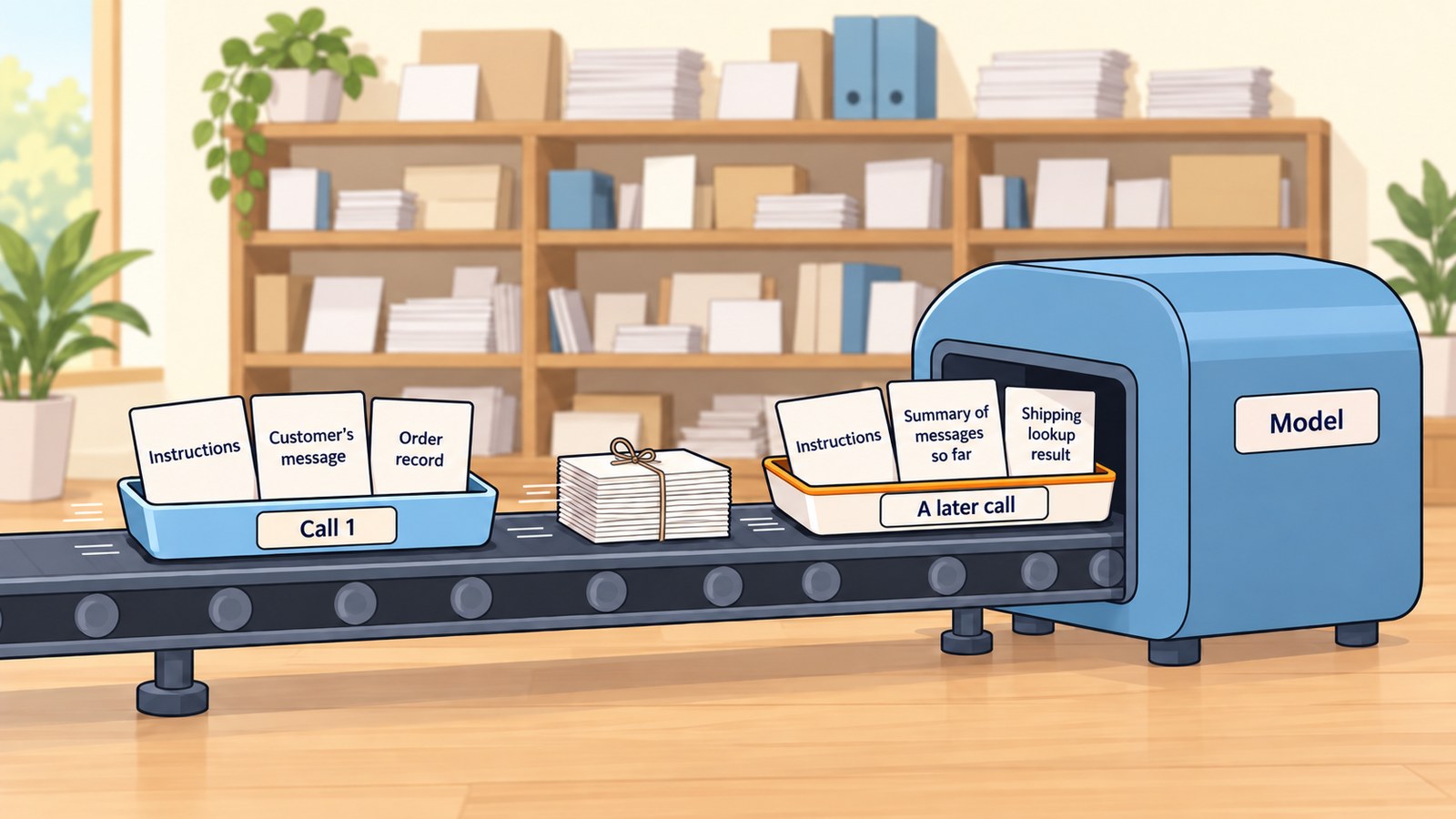
Context Engineering: Managing What an AI Model Receives
Context engineering designs and manages what an AI model receives, its instructions, information and tools, so it has what the task needs.
Read the explainer → -
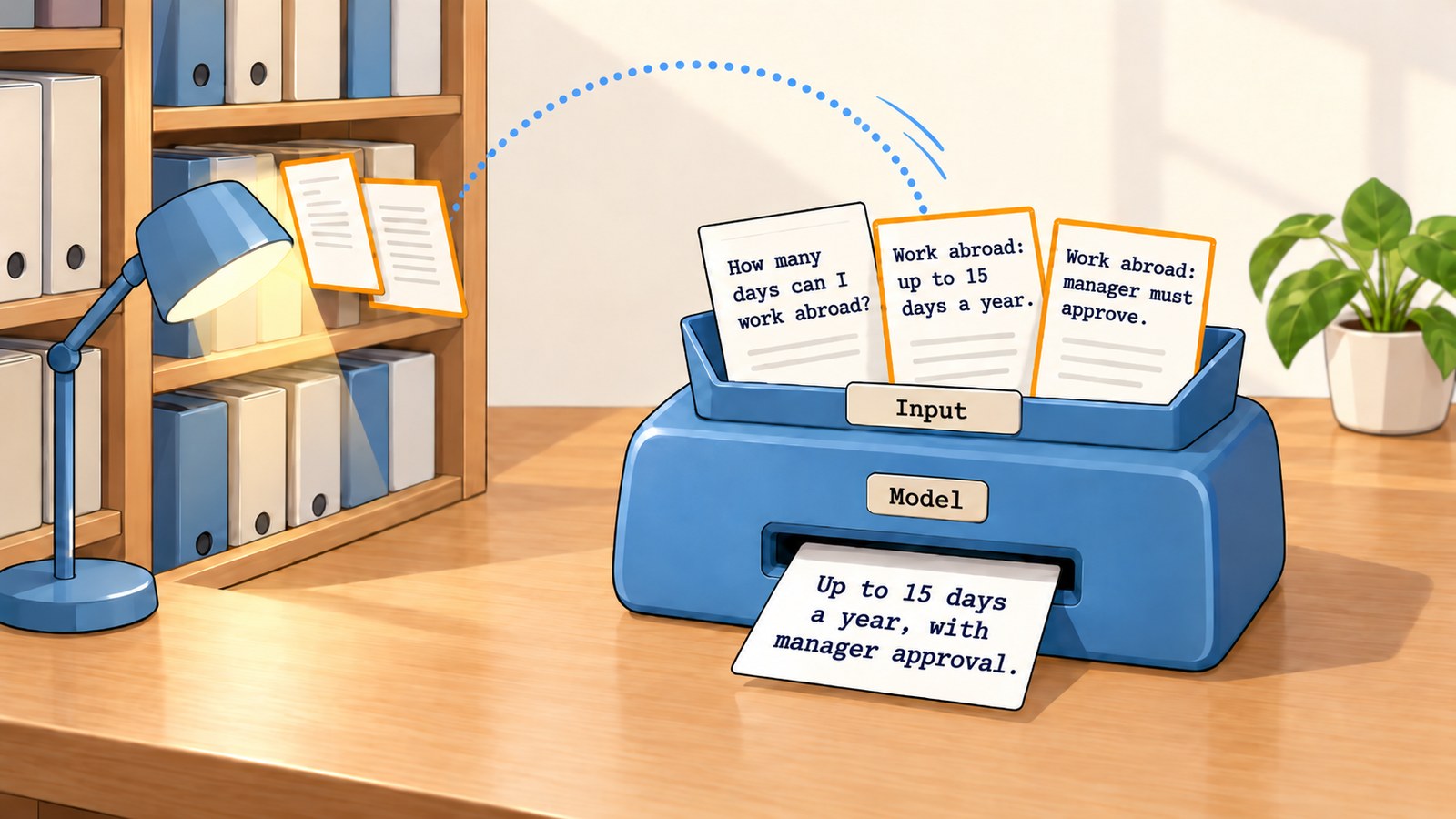
RAG: Search Results Added to an AI Model’s Input
RAG adds relevant search results, such as passages from company documents, to an AI model's input before it responds, so the search shapes the answer.
Read the explainer → -
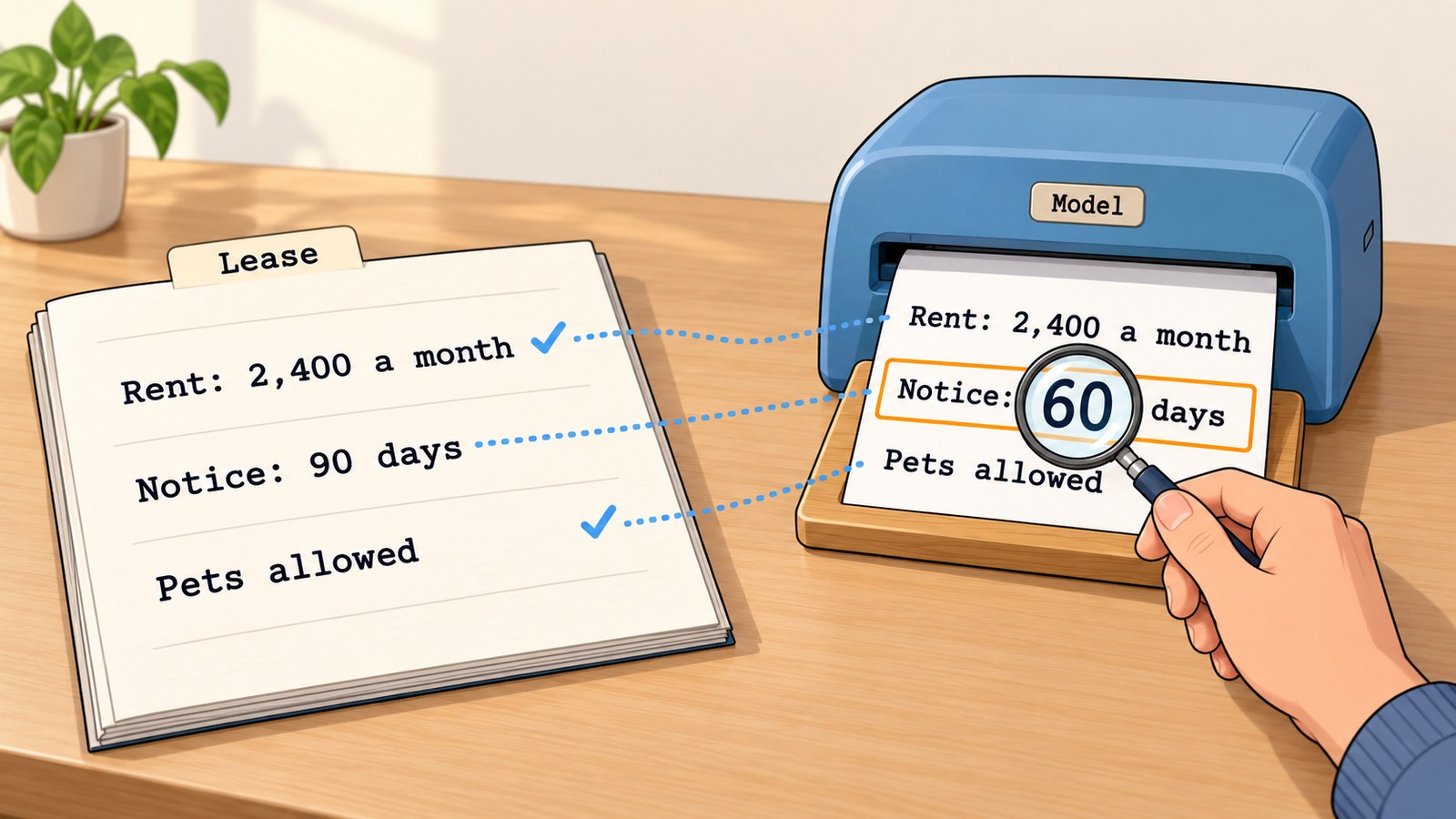
Hallucination: Why a Fluent AI Answer Can Still Be Wrong
A hallucination is false or unsupported content that an AI model presents as fact. It can read as smoothly as a true answer, so key claims need checking.
Read the explainer → -
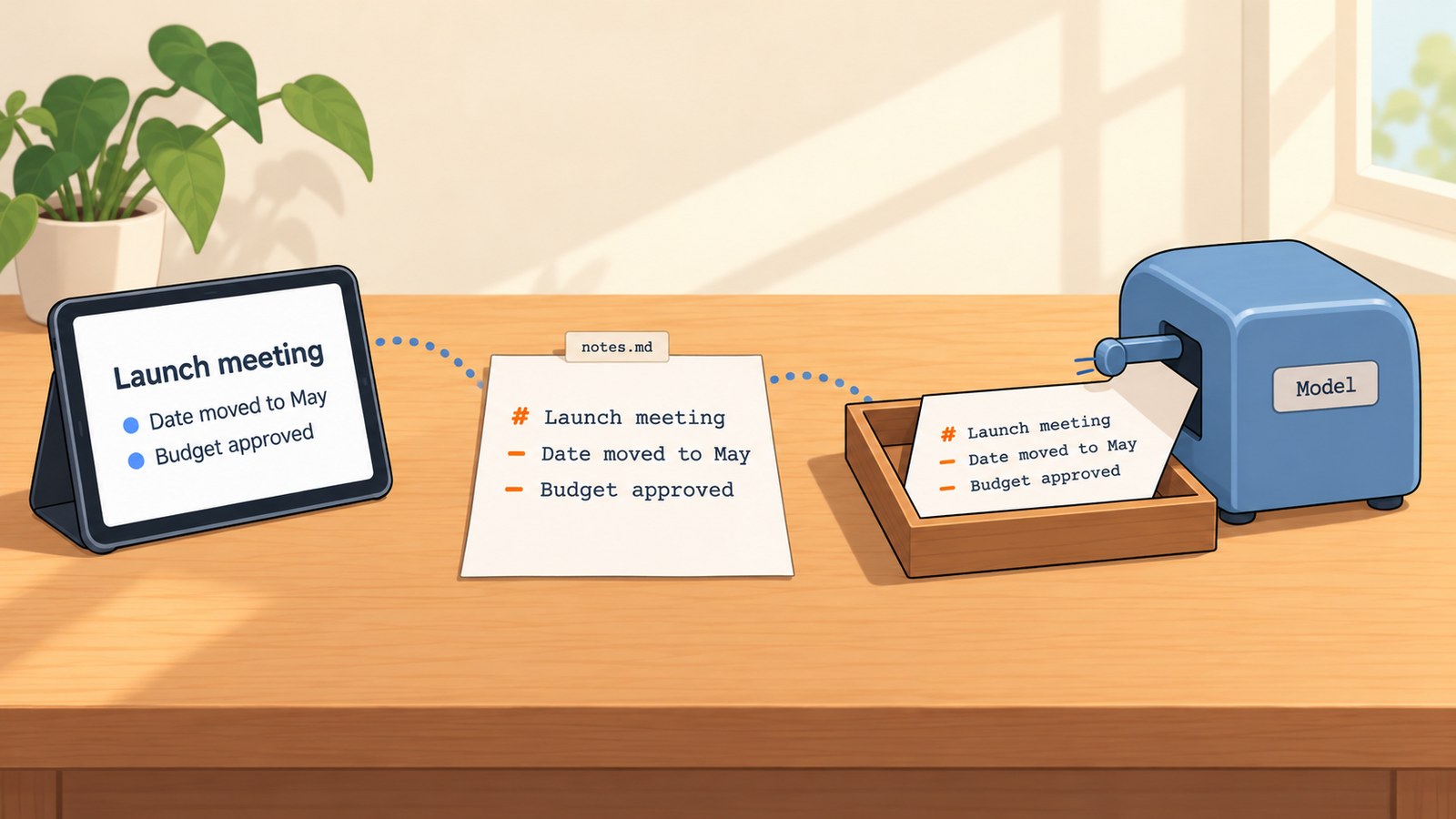
Markdown File: Plain Text That Shows Its Own Structure
A Markdown file is plain text with simple marks for headings and lists. It reads fine as is, and some AI coding tools can load such files as instructions.
Read the explainer → -
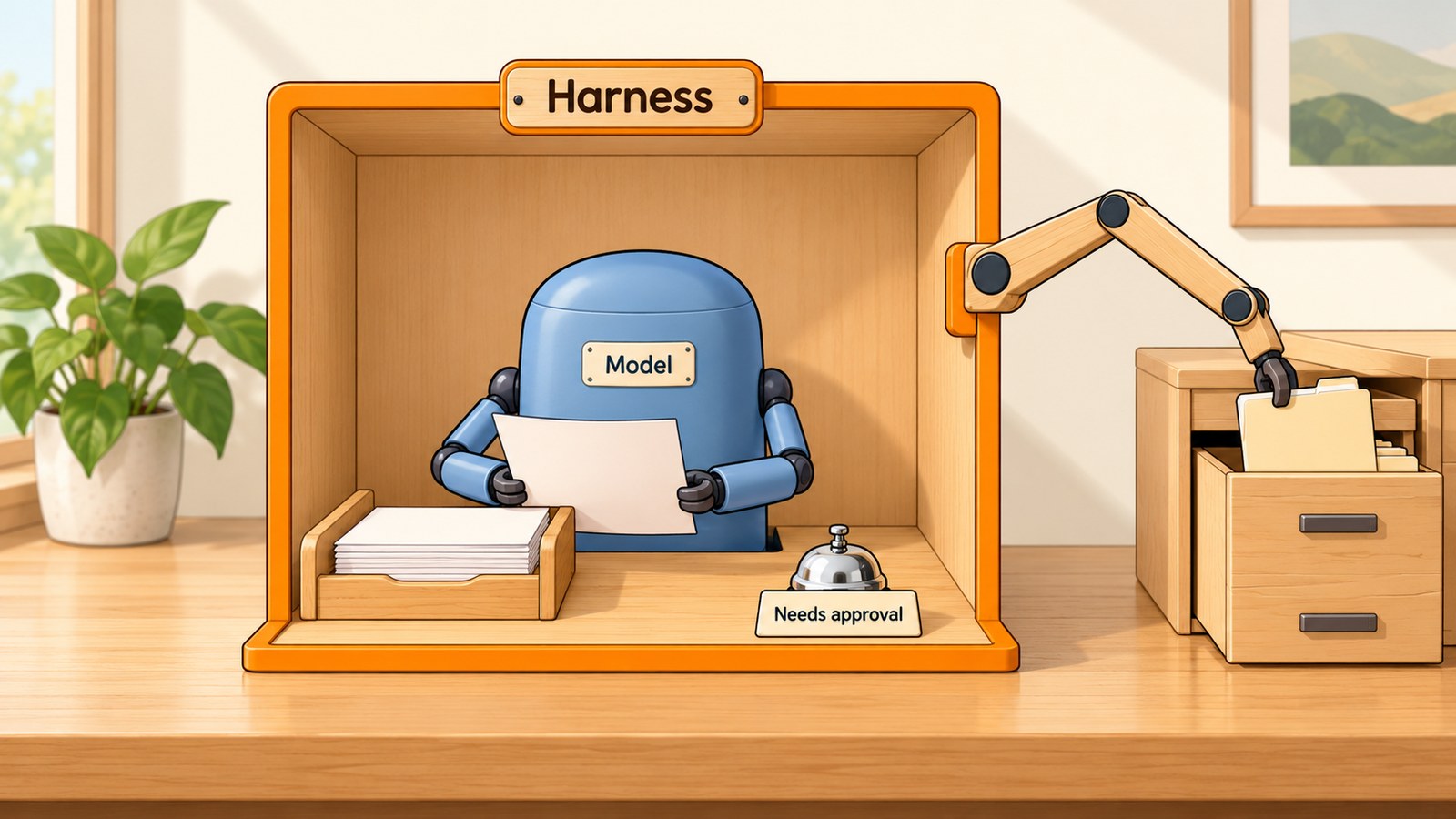
Harness: The Software That Turns a Model’s Answers Into Work
A harness is the software that manages how an AI model works: what it sees, the tools it can use and its limits. It's why one model can do different work.
Read the explainer → -
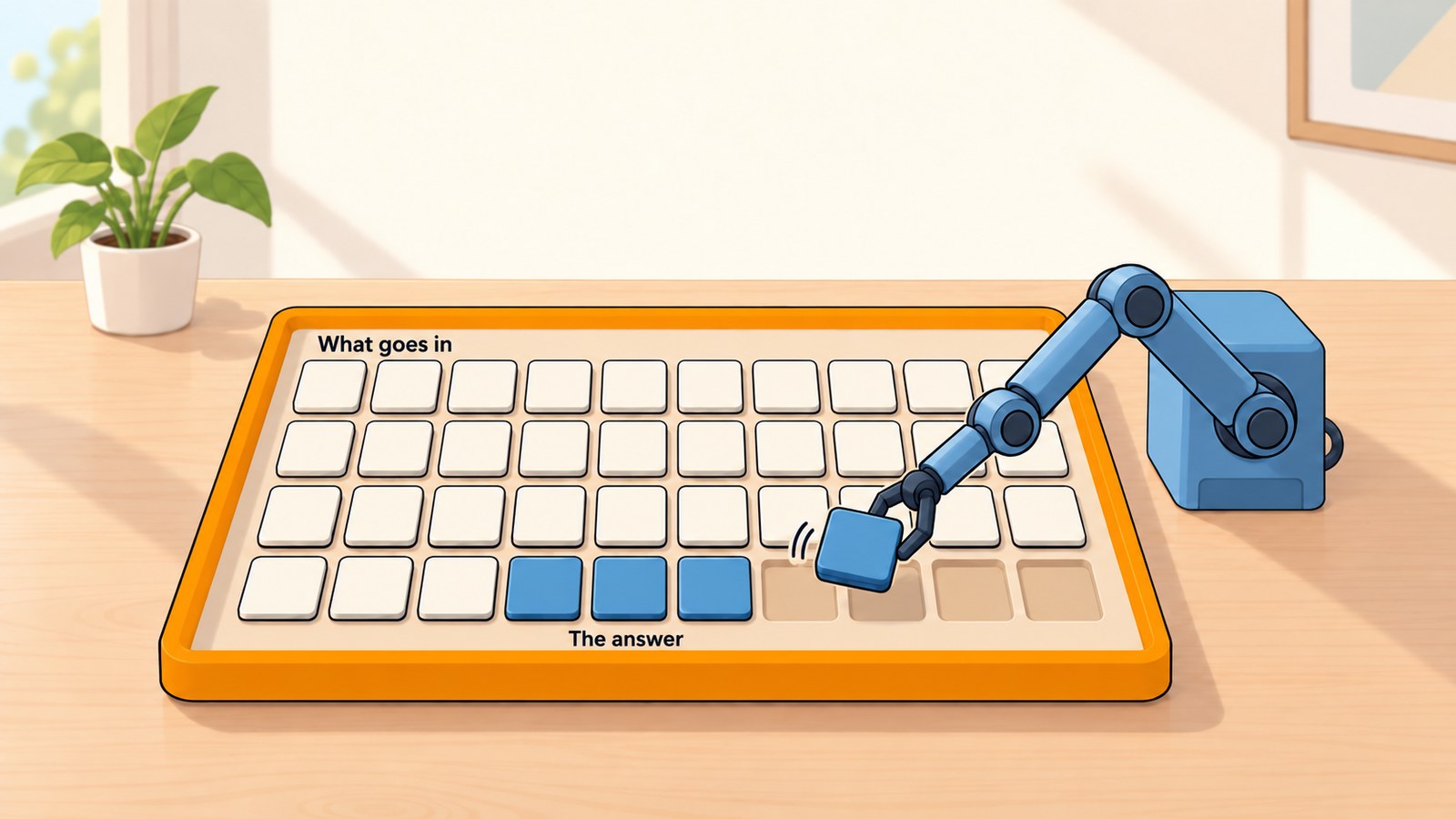
Context Window: The Token Limit for One AI Model Call
A context window is the most tokens a model can handle in one call, input and output together. What fills it, and why fitting isn't enough.
Read the explainer → -

System Prompt: The Instructions an App Gives an AI Model
A system prompt is the instructions and background an app gives an AI model, separately from your messages. What it holds, how it works, who owns it.
Read the explainer → -
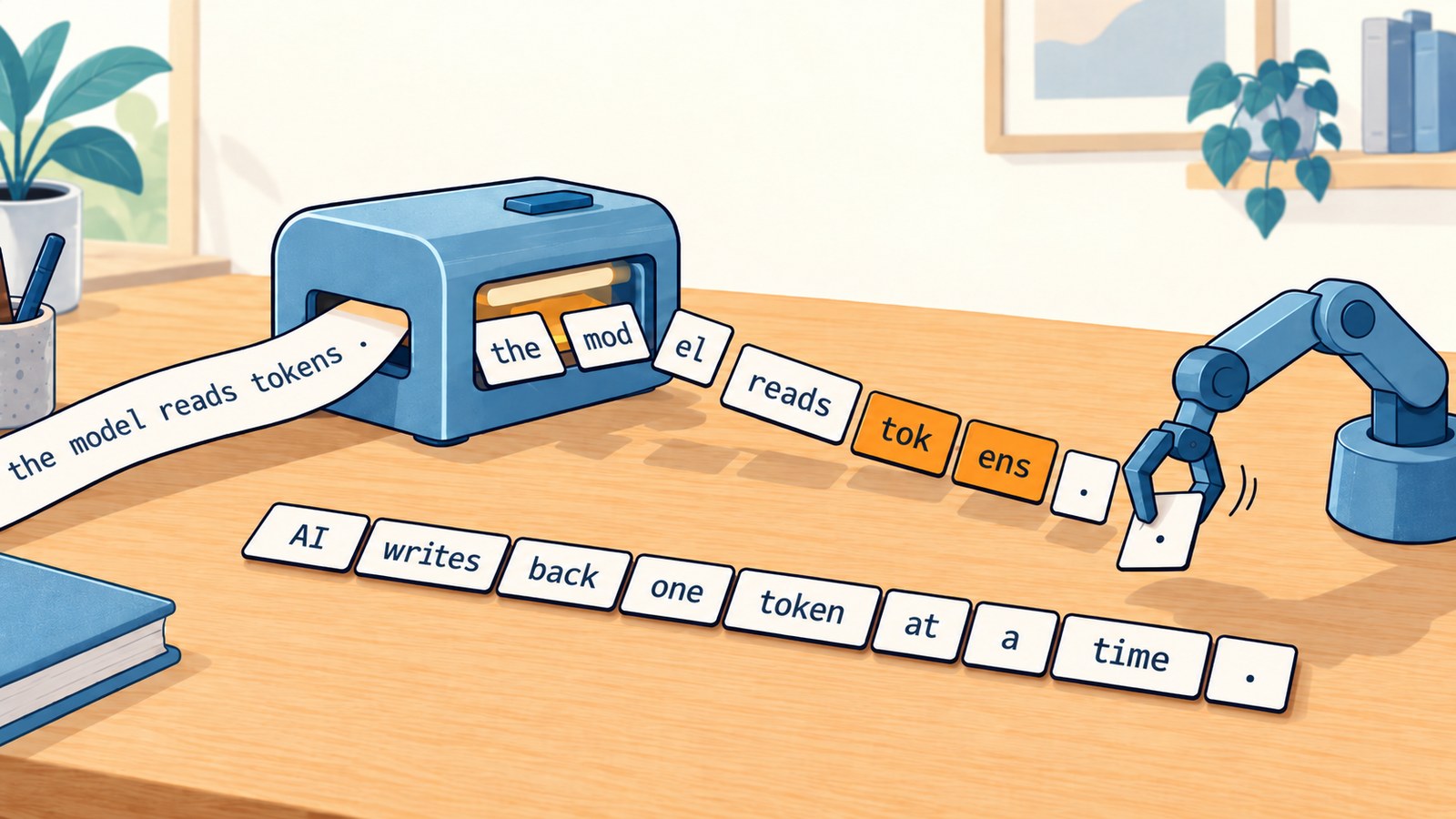
Tokens: The Chunks of Text an AI Model Reads and Writes
A token is a chunk of text an AI model reads and writes as one unit. How text becomes tokens, why counts vary, and how to compare model prices.
Read the explainer →


